Habits
Talking to your partner and your kids about your hair

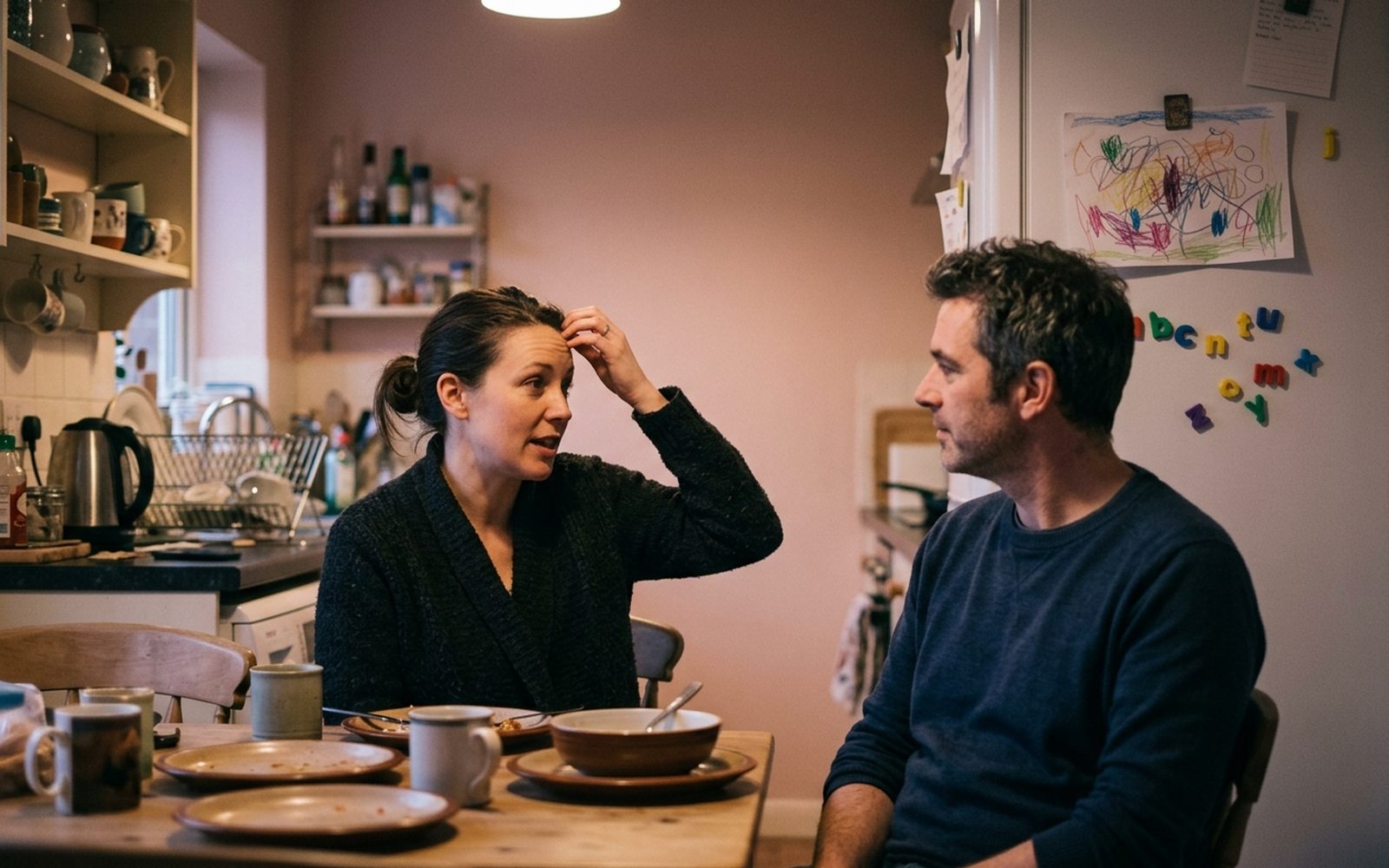
This is the article I did not expect to write. It came out of clinic, where the story is so often the same: a woman who has been quietly upset for two years about her hair and has not said a word to the person she lives with, because he has not mentioned it and she has decided that means either he has not noticed or he has and is being kind. Both possibilities make it worse to raise.
Why partners say nothing
Almost always because they have not noticed. Men in particular tend not to register hair density, and a partner who sees your face every day is the last person to see a change that took three years. When they have noticed, they are usually terrified of saying the wrong thing, and silence feels safer. Neither is the same as not caring, and neither is a verdict.
Saying it
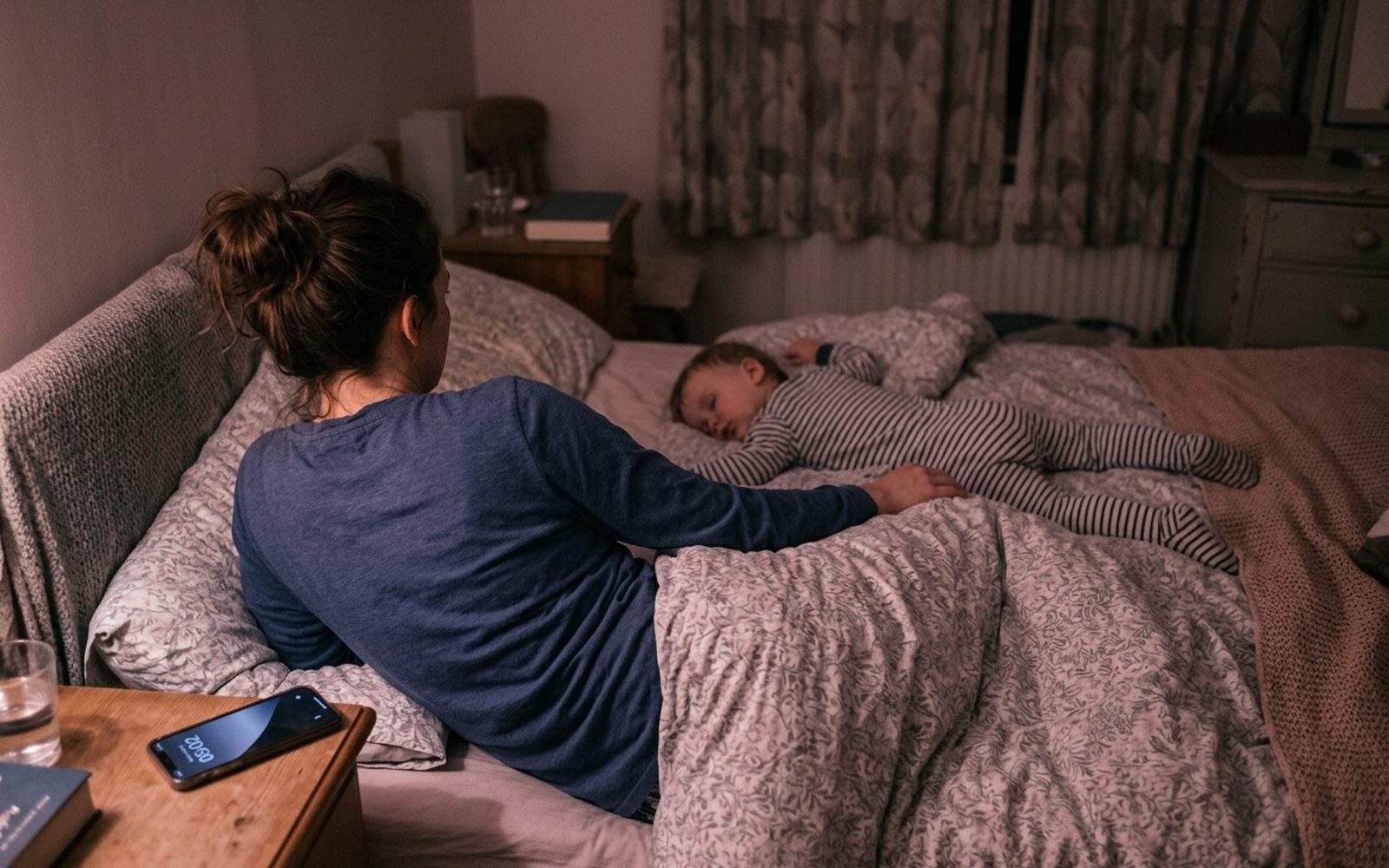
You do not need a speech. Something like: “My hair has got thinner since the kids and it’s been bothering me more than I’ve let on. I’m going to try and sort it and I might need you to take the first wake-up sometimes so I can get some sleep.” That does three things: it tells him it is real, it tells him it matters, and it gives him something to do. Most partners are enormously relieved to be given a job.
What to ask for
Practical things. The first uninterrupted sleep block on some nights. Not to be photographed from above. To take the monthly crown photo for you. To not say “it looks fine to me” — which is meant kindly and lands as dismissal — and to say instead “I believe you, what do you need?” You are allowed to script this for him. He will thank you for it.
Not sure which one is you?
Take the two-minute hair quiz
Twelve quick questions. We tell you what we think is going on, what to do about it, and we say so if it is something we cannot help with.
Start the quiz →The children
Children say what they see: “Mummy, why can I see your head?” It is not cruelty; it is observation, and it can be answered plainly. “My hair got a bit thinner after you were born. Lots of mums’ hair does. I’m looking after it and it’s coming back.” A child given a calm answer moves on in seconds. A child who senses that a question upset Mummy learns that hair is dangerous territory, and that is a worse lesson. It is also worth knowing that daughters watch how their mothers talk about their bodies, and that a matter-of-fact “this is a thing that happened and I’m dealing with it” is a gift.
Older children and teenagers
They notice more and say less. If you have a teenage daughter, she has almost certainly noticed and may be worrying it will happen to her. Tell her what you know: it is common, it is mostly hormonal, it is manageable, and if it ever happens to her she should not wait years to look into it the way you did.
Why this matters for the hair
Because hidden worry is cortisol, and cortisol is one of the things keeping follicles in rest. Because a partner who knows will protect your sleep. And because the thing that most often stops women treating their hair is not the cost or the time; it is the feeling that it is vain, or not worth mentioning, or something to be ashamed of. Saying it out loud to one person tends to end that.
Ready to read your own pattern?
Take the two-minute hair quiz
Twelve questions. We tell you what we think is going on for you, and we say so if it is something a GP should see first.
Start the quiz →