Postnatal
Twins, triplets and the double shed
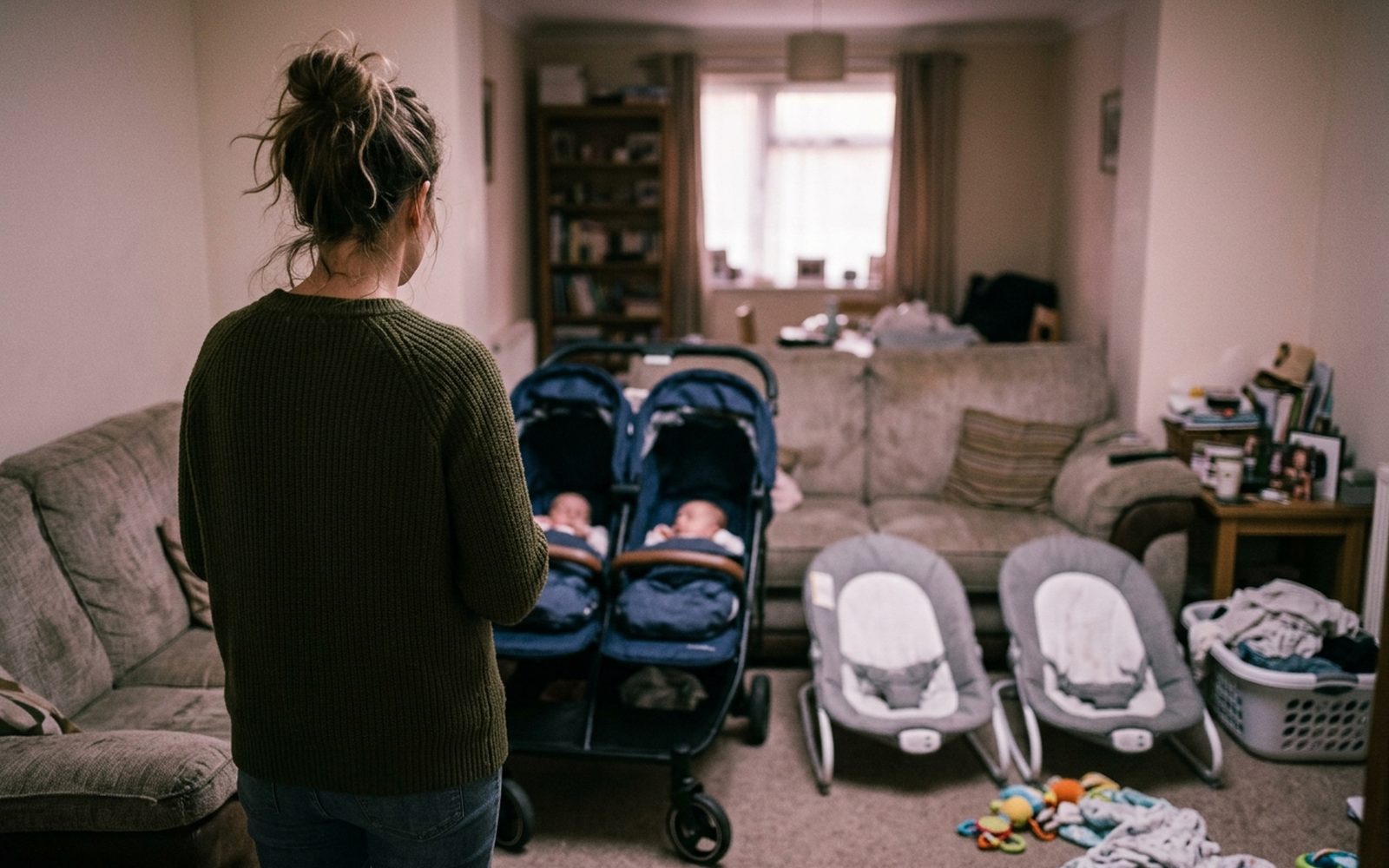
Mums of multiples are told a great deal about the pregnancy and almost nothing about what comes after it for their own bodies. The postnatal shed after twins is, in my clinic, the most alarming version there is, and the reasons are all predictable.
Why it is bigger
More oestrogen held more hair. A twin pregnancy produces higher hormone levels than a singleton, and more follicles are held in growth for longer. When it drops, more let go together.
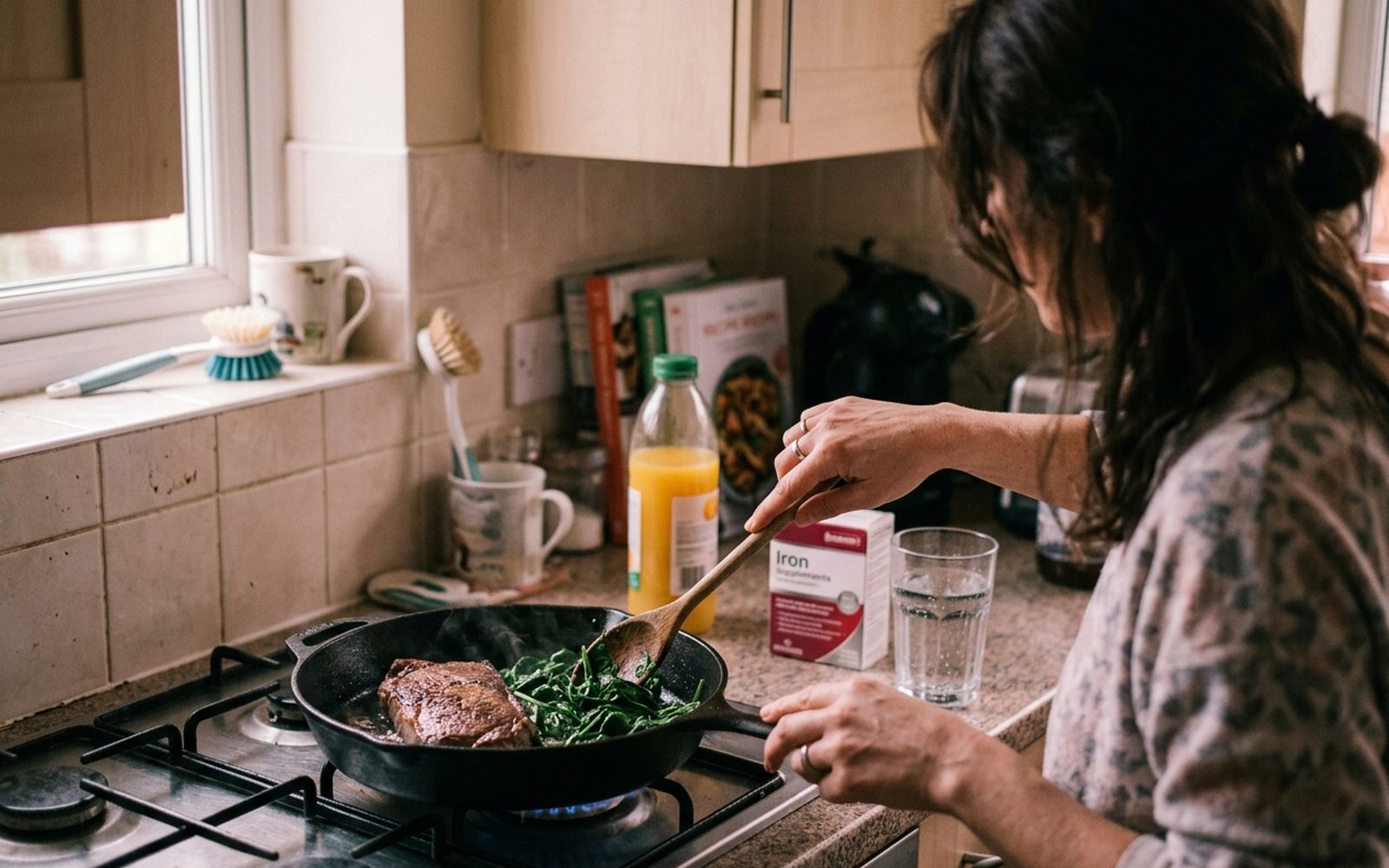
More iron gone. Two babies draw twice the iron; twin pregnancies are far more often anaemic, and most are delivered by caesarean with correspondingly more blood loss. Ferritin after twins is frequently in single figures and nobody has checked it.
Earlier delivery. Most twins arrive at 36 or 37 weeks, often after weeks of bed rest, monitoring and stress, and often with a stay in special care. The physical stress of the birth is a separate shed trigger on top of the hormonal one.
Not sure which one is you?
Take the two-minute hair quiz
Twelve quick questions. We tell you what we think is going on, what to do about it, and we say so if it is something we cannot help with.
Start the quiz →The sleep. Two feeding schedules. The cortisol picture after twins is what a singleton mum would recognise as her worst fortnight, extended for a year.
Feeding two. The nutritional demand of feeding twins is very high and few mums meet it; the follicle is rationed first.
What to expect
The shed begins around three months, is heavy for two to three months, and often does not ease until seven or eight. The regrowth halo appears later than after a singleton — often nine to twelve months — and density recovery takes eighteen months or more. Those are the averages for a mum whose iron is corrected and who is eating; without those, the shed becomes a slow diffuse thinning that gets blamed on age.
What to have in place
Ferritin at the six-week check, without fail. Ask for it by name; the standard check does haemoglobin only. Correct anything under 70 with a proper dose taken properly. How. This one thing changes the outcome more than everything else combined.
Thyroid at six months, because postpartum thyroiditis is more common after multiples and its symptoms are indistinguishable from twin exhaustion. More.
Protein, arranged by someone else. You will not cook. Someone can bring eggs, yoghurt, cheese, a protein powder, tinned fish. Say yes.
The hair up loosely and left alone. No tight buns, no lifting colour, no daily heat for the duration of the shed.
A photograph of the parting and hairline before the birth, because the recovery will be long and you will need the proof.
Ready to read your own pattern?
Take the two-minute hair quiz
Twelve questions. We tell you what we think is going on for you, and we say so if it is something a GP should see first.
Start the quiz →